Navigating Divorce: Key Steps for Texas Families
- jamihalelaw
- Jan 14
- 4 min read
Divorce can feel like a storm, tossing families around in a sea of emotions and decisions. For families in Texas, understanding the process can help ease some of that turbulence. This guide will walk you through the essential steps to navigate divorce in Texas, ensuring you are informed and prepared for what lies ahead.
Understanding the Basics of Divorce in Texas
Before diving into the steps, it is crucial to understand what divorce means in Texas. Divorce is the legal dissolution of a marriage. In Texas, the process can be straightforward or complex, depending on various factors such as children, property, and debts.
Grounds for Divorce
In Texas, you can file for divorce based on several grounds, including:
Insupportability: This is the most common reason, meaning the marriage cannot continue due to discord or conflict.
Adultery: If one spouse has been unfaithful, this can be grounds for divorce.
Cruelty: If one spouse has treated the other with cruelty, this can also be a reason for divorce.
Understanding these grounds can help you determine the best approach for your situation.
The Initial Steps to Take
Once you have decided to pursue a divorce, there are several initial steps to take. These steps will set the foundation for the entire process.
1. Gather Important Documents
Before filing for divorce, collect all necessary documents. This includes:
Marriage certificate
Financial statements
Tax returns
Property deeds
Any prenuptial agreements
Having these documents ready will make the process smoother and more efficient.
2. Consider Your Options
In Texas, you have several options for how to proceed with your divorce:
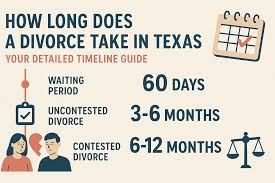
Contested Divorce: This occurs when both parties cannot agree on one or more issues.
Uncontested Divorce: This is when both parties agree on all terms, making the process quicker and less expensive.
Understanding these options can help you choose the best path forward.
Filing for Divorce
Once you are prepared, it is time to file for divorce. This step involves several important actions.
1. Complete the Necessary Forms
You will need to fill out specific forms to initiate the divorce process. These forms can usually be found on the Texas state website or at your local courthouse. Key forms include:
Original Petition for Divorce
Citation
Final Decree of Divorce
Make sure to fill these out accurately to avoid delays.
2. File the Forms with the Court
After completing the forms, file them with the district clerk in your county. There is typically a filing fee, which can vary by county. If you cannot afford the fee, you may request a fee waiver.
3. Serve Your Spouse
Once you file, you must serve your spouse with the divorce papers. This can be done through a process server or by certified mail. Your spouse must receive the papers to proceed with the divorce.
Navigating the Divorce Process
After filing, the divorce process begins. This phase can be emotional and challenging, but understanding what to expect can help.
1. Temporary Orders
In some cases, you may need temporary orders to address immediate issues such as child custody, support, and property use. These orders can provide stability while the divorce is pending.
2. Discovery Phase
During the discovery phase, both parties exchange information and documents. This is crucial for understanding each other's financial situations and any other relevant details.
Interrogatories: Written questions that must be answered under oath.
Requests for Production: Requests for documents related to the case.
Being thorough during this phase can help ensure a fair outcome.
3. Mediation
Many Texas courts require mediation before proceeding to trial. Mediation is a process where both parties work with a neutral third party to resolve disputes. This can save time and money, and often leads to a more amicable resolution.
Finalizing the Divorce
Once all issues are resolved, it is time to finalize the divorce. This step involves several key actions.
1. Drafting the Final Decree
The final decree of divorce outlines the terms agreed upon by both parties. This document will include:
Child custody arrangements
Child support obligations
Division of property and debts
It is essential to review this document carefully to ensure it reflects your agreement.
2. Court Hearing
In most cases, a court hearing will be scheduled to finalize the divorce. During this hearing, the judge will review the final decree and ensure both parties agree to the terms. If everything is in order, the judge will sign the decree, making the divorce official.
3. Post-Divorce Considerations
After the divorce is finalized, there are a few important considerations:
Updating Legal Documents: Change your will, insurance policies, and any other legal documents to reflect your new status.
Co-Parenting: If children are involved, focus on creating a healthy co-parenting relationship for their well-being
Navigating divorce in Texas can be a complex journey, but understanding the steps involved can make it more manageable. By gathering the necessary documents, understanding your options, and seeking support, you can move through this process with confidence. Remember, this is not just an end, but also a new beginning. Embrace the opportunities that lie ahead, and take the time to heal and grow.
To schedule a confidential consultation, contact the Law Office of Jami K. Hale (Hale Family Law) at 737-259-9755. We provide experienced, practical guidance tailored to Central Texas family law courts and work with clients to pursue efficient, legally sound resolutions.



Comments