How Long Does a Divorce Take in Texas?
- jamihalelaw
- Jan 28
- 4 min read
Austin, Travis County, Williamson County & Hays County Divorce Timeline Explained
One of the most common questions people ask when considering divorce is, “How long will this take?” While every case is different, Texas law sets minimum requirements, and local court practices in Austin, Travis County, Williamson County, and Hays County can significantly affect how quickly a divorce is finalized.
At the Law Office of Jami K. Hale (Hale Family Law), clients frequently want realistic expectations—not best-case scenarios or worst-case assumptions. This article explains the minimum timelines under Texas law, the factors that cause delays, and what divorcing spouses in Central Texas can expect at each stage of the process.
The Minimum Waiting Period for Divorce in Texas
The 60-Day Waiting Period
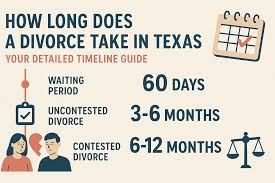
Texas law requires a mandatory 60-day waiting period before a divorce can be finalized. This period begins on the day the Original Petition for Divorce is filed with the court.
The purpose of this waiting period is to:
Allow time for reflection and potential reconciliation
Encourage settlement rather than rushed litigation
With limited exceptions, no divorce in Texas can be finalized in fewer than 61 days, even if the case is uncontested.
Exceptions to the Waiting Period
The 60-day waiting period may be waived in limited circumstances, including:
Family violence where a protective order is in place
A spouse has been convicted of a family violence offense
These exceptions are narrowly applied and require specific proof.
Uncontested Divorce Timelines in Central Texas
How Long Does an Uncontested Divorce Take?
In Austin-area courts, an uncontested divorce typically takes:
61 to 90 days from filing to finalization
An uncontested divorce means:
Both spouses agree on all issues, including property division, debts, and (if applicable) child-related matters
No trial is required
At Hale Family Law, properly prepared uncontested cases are often finalized shortly after the 60-day waiting period expires, subject to court availability.
Factors That Can Delay an Uncontested Divorce
Even uncontested divorces may take longer due to:
Incomplete or incorrect paperwork
Delays in service or waiver execution
Court docket congestion in Travis, Williamson, or Hays County
Issues with final decree language
Working with an experienced local attorney helps avoid procedural delays that can unnecessarily extend the timeline.
Contested Divorce Timelines in Texas
How Long Does a Contested Divorce Take?
A contested divorce—where spouses disagree on one or more issues—typically takes:
6 months to 18 months, and sometimes longer
In Central Texas, complex contested cases involving property disputes, custody issues, or allegations of fault can exceed one year.
Why Contested Divorces Take Longer
Contested cases may involve:
Temporary orders hearings
Discovery (exchange of financial and other information)
Mediation
Multiple court appearances
Trial
Each step adds time, and court calendars in Travis, Williamson, and Hays counties can further affect scheduling.
Temporary Orders and Their Impact on Timeline
What Are Temporary Orders?
Temporary orders establish rules while the divorce is pending and may address:
Child custody and visitation
Child support
Temporary spousal support
Use of the marital residence
Payment of debts
Do Temporary Orders Speed Up or Slow Down a Case?
Temporary orders can:
Provide stability and structure early in the case
Reduce emergency disputes
Sometimes extend the overall timeline if heavily contested
At the Law Office of Jami K. Hale, temporary orders are used strategically to protect clients’ interests without unnecessarily escalating conflict.
Divorce With Children: Additional Timing Considerations
Divorces involving children often take longer due to:
Conservatorship and possession disputes
Child support calculations
Geographic restrictions
Parenting plan negotiations
Courts in Central Texas prioritize the best interest of the child, which may require additional hearings, mediation, or evaluations before final orders are entered.
Mediation and Its Effect on Divorce Length
Is Mediation Required in Texas?
While not required by statute, most Central Texas family courts strongly encourage or require mediation before trial.
Can Mediation Shorten a Divorce?
Yes. Mediation often:
Resolves disputes more quickly than litigation
Reduces court appearances
Allows parties to control outcomes
Cases that settle in mediation typically conclude much faster than those that proceed to trial.
Property Complexity and Divorce Duration
Divorce timelines are often extended when cases involve:
Real estate
Retirement accounts
Business ownership
Significant debt
Separate property claims
Proper valuation and documentation take time, but rushing these issues can result in unfavorable outcomes.
What You Can Do to Avoid Unnecessary Delays
Clients can help move their divorce forward by:
Providing documents promptly
Being realistic about settlement
Avoiding unnecessary conflict
Following court orders and deadlines
At Hale Family Law, we work with clients to pursue efficient resolution while protecting long-term interests.
Realistic Expectations for Divorce in Austin and Central Texas
Type of Divorce | Typical Timeframe |
Uncontested | 61–90 days |
Moderately Contested | 6–9 months |
Highly Contested | 12–18+ months |
These are general estimates; individual cases vary.
Speak With a Central Texas Divorce Attorney
If you are considering divorce in Austin, Travis County, Williamson County, or Hays County, understanding the timeline helps you plan financially and emotionally.
The Law Office of Jami K. Hale (Hale Family Law) provides clear guidance, realistic expectations, and strategic representation tailored to Central Texas family courts.
To schedule a confidential consultation, contact Hale Family Law today at 737-295-9755.


Comments